

Struggling with Elbow Pain? Try These Physiotherapy Treatments for Tennis Elbow
 by
by 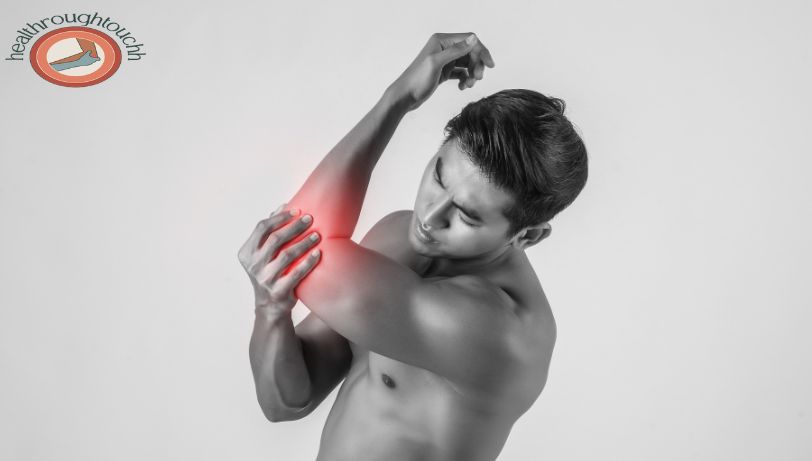
Waking up with a sharp, nagging ache in your arm can turn even the simplest tasks—like pouring your morning coffee or typing a quick email—into a literal chore. If you’ve been feeling a persistent soreness right on the outer edge of your joint, you might be looking for a tennis elbow physiotherapy treatment that actually works. Despite the name, you don’t have to be a professional athlete to deal with this; it’s a common overuse injury that hits office workers, gardeners, and chefs just as hard. At Healthrouchtouchh, we’ve seen how understanding the “why” behind your discomfort is the first step toward reclaiming your active lifestyle and getting back to your routine without hesitation.
What Is Tennis Elbow and Why It Happens
Tennis elbow, or lateral epicondylitis if we’re being technical, is essentially what happens when the tendons in your forearm get overworked. These tendons connect your muscles to the bony bump on the outside of your elbow, and their main job is to help you extend your wrist and fingers.
The condition usually kicks in because of repetitive stress. When you perform the same gripping or twisting motions over and over again, the tendon starts to develop tiny, microscopic tears. Over time, these tears lead to the inflammation and tenderness you’re feeling now. Common triggers include:
- Long hours spent clicking a mouse or typing.
- Manual labor like plumbing, painting, or carpentry.
- Sports that involve rackets or repetitive throwing.
- Lifting heavy grocery bags with a tight, awkward grip.
Common Symptoms of Tennis Elbow You Should Not Ignore
Catching the signs early can stop a minor annoyance from turning into a long-term problem. It’s easy to dismiss elbow pain as just “getting older” or being tired, but keep an eye out for these specific red flags:
- Radiating Discomfort: A dull ache that starts at the elbow and slowly creeps down toward your wrist.
- A Weakened Grip: Finding it surprisingly hard to turn a doorknob, hold a heavy pan, or even give a firm handshake.
- The Morning Stiff Check: Feeling like your arm is “locked” or extra tight when you first wake up.
- Point Tenderness: A sharp, localized pain when you press directly on the outer bone of your elbow.
How Physiotherapy Helps in Treating Tennis Elbow Effectively
A lot of people reach for a bottle of ibuprofen the second they feel a twinge. While that might mask the ache for a few hours, it doesn’t actually fix the physical strain. This is why physiotherapy treatments are considered the gold standard for real recovery.
Physio works because it targets the root cause. A therapist focuses on calming down the inflammation, encouraging the tissue to actually repair itself, and eventually strengthening the muscles so the injury doesn’t just come back next month. They’ll also look at your shoulder and wrist—often, the elbow is hurting because those other joints aren’t doing their fair share of the work.
Top Physiotherapy Treatments for Tennis Elbow Pain Relief
When you book an appointment at the best physiotherapy clinic electronic city, your recovery plan won’t be one-size-fits-all. Instead, you’ll likely see a mix of these highly effective methods:
- Manual Therapy: This is hands-on work. Your therapist uses specific massage and mobilization techniques to break up stiffness and get blood flowing to the damaged tendon.
- Shockwave Therapy: For chronic cases that just won’t budge, acoustic waves are used to “kickstart” the body’s natural healing response.
- Dry Needling: Small, thin needles are used to release tight “knots” in the forearm muscles that are constantly pulling on your elbow joint.
- Kinesiology Taping: Strategic taping helps offload the pressure from the tendon, giving you some breathing room to move through your day with less pain.
- Ultrasound Therapy: This uses sound waves to create deep heat, which is great for reducing internal swelling and speeding up cellular repair.
Best Exercises Recommended by Physiotherapists for Tennis Elbow
Movement is the best medicine, but you have to be smart about it. You can’t just dive back into heavy lifting. Most pros recommend a steady, phased approach to get your strength back:
1. The Simple Fist Squeeze
This is great for building basic grip strength. Grip a soft stress ball or even a rolled-up sock. Squeeze firmly for about 5 seconds, then let go. Try to do this 10 times a few times a day.
2. Wrist Extensions (The Slow Move)
Rest your arm on a table so your hand hangs off the edge, palm down. Use your “good” hand to lift the sore wrist up, then slowly—very slowly—lower it back down using only the injured arm. That slow lowering is what actually heals the tendon.
3. Hammer Rotations
Hold a light tool (like a hammer or a small water bottle) by the bottom. Slowly rotate your wrist so your palm faces the ceiling, then rotate it back. This builds the twisting power you need for things like opening jars.
4. Finger Band Stretches
Wrap a rubber band around your fingers and thumb. Gently spread your fingers apart against the tension, then bring them back together slowly.
Recovery Timeline: How Long Does the Tennis Elbow Take to Heal?
Being patient is probably the toughest part of the whole process. Tendons don’t have as much blood flow as muscles, so they take their sweet time to mend.
- For Mild Cases: If you catch it early and stick to your best physiotherapy treatment in Bangalore, you’ll likely feel a massive difference in 4 to 6 weeks.
- For Chronic Pain: If you’ve been pushing through the pain for months, it might take 3 to 6 months of consistent work to get back to 100%.
The secret is consistency. If you skip your exercises or try to lift heavy weights too soon, you’ll likely end up right back where you started.
Conclusion:
You shouldn’t have to live your life around a nagging injury. Whether you’re a busy parent, an athlete, or someone who spends all day at a computer, your arms are essential tools. Choosing a professional assessment and a personalized plan means you’re investing in a long-term fix rather than a temporary patch. By taking the right steps now, you can stop the cycle of pain and get back to moving with confidence.
FAQs About Tennis Elbow Physiotherapy Treatment
Q.1 Can I still work with this condition?
Ans-: Usually, yes, but you’ll need to make some tweaks. Try an ergonomic mouse, take “micro-breaks” to stretch, and consider using a brace to take the pressure off the tendon while you’re at your desk.
Q.2 Should I use an ice pack or a heating pad?
Ans-: If it’s a brand-new injury and feels “hot” or swollen, stick with ice to numb it. If it’s an old, stiff ache that’s been bothering you for weeks, heat is better for relaxing the muscles before you do your stretches.
Q.3 Will I eventually need surgery?
Ans:- It’s very unlikely. More than 90% of people find total relief through non-invasive physiotherapy alone. Surgery is almost always a last resort after several months of rehab haven’t worked.
Q.4 Why does it hurt if I don’t even play tennis?
Ans-: The name is just a label! Any repetitive motion—like gardening, painting a room, or even heavy cleaning—puts the exact same strain on that specific tendon as a tennis backhand does.
Q.5 How do I stop it from coming back?
Ans-: Strength is your best defense. Once the pain is gone, keep doing your forearm exercises and make sure your workspace or sports equipment is set up properly to avoid awkward strain.